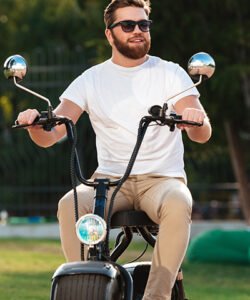
EU L6e / L7e Electric Quadricycles
L6e and L7e Electric Vehicles for Road-Legal Urban and Utility Fleets
Looking for a low-speed EV that can be registered in the EU? L6e and L7e quadricycles are built for city streets, resorts, campsites, farms, and last-mile delivery. Because they follow EU Regulation 168/2013, compliant units can be processed for registration with the correct COC paperwork.
What is the difference between L6e and L7e?
L6e is a light quadricycle. It is limited to 45 km/h, usually up to about 4–6 kW, and has a maximum of two seating positions. L7e is a heavy quadricycle. It allows higher speed, more power, and passenger or cargo versions. Therefore, L6e fits slow urban zones, while L7e fits daily commuting and light commercial work.
Source: EU Regulation No 168/2013 vehicle category definitions.
Why L6e and L7e EVs beat full cars in tight operating environments
First, they are narrower and lighter. Because of that, they slip into historic-centre streets, resort lanes, and crowded depots where a van cannot turn. Second, running cost is lower. Third, driver licensing and insurance are often simpler in local markets, though this varies by country.
Lower operating cost
Electric drive, small battery, simple maintenance. As a result, cost per kilometre stays low for errands, shuttles, and deliveries.
Easy in narrow spaces
Compact width and tight turning help in medieval towns, campsites, ports, and market streets.
Road-use pathway
With EEC type-approval and a matching COC, the vehicle can be taken through the local registration process in applicable EU countries.
Fleet-friendly speed
L6e caps at 45 km/h for safe zones. L7e adds highway-capable variants for mixed urban and arterial routes.
One platform, many terrains
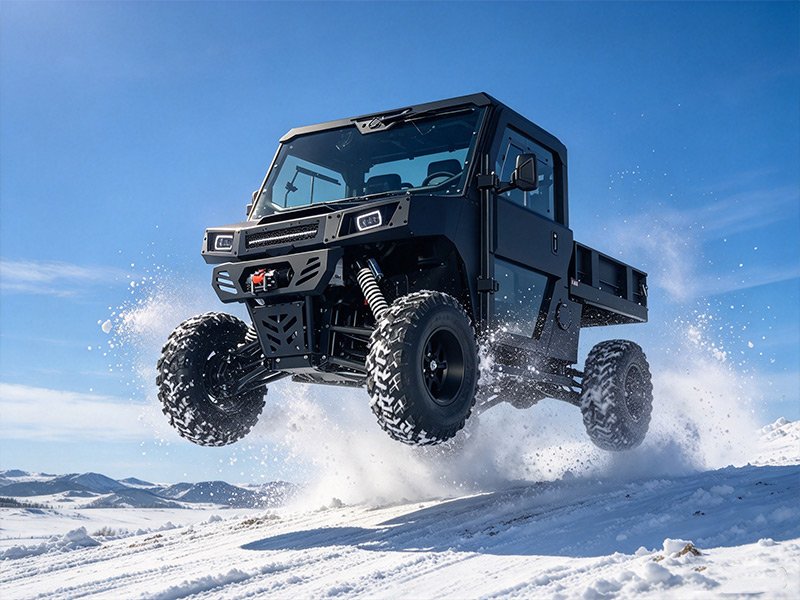
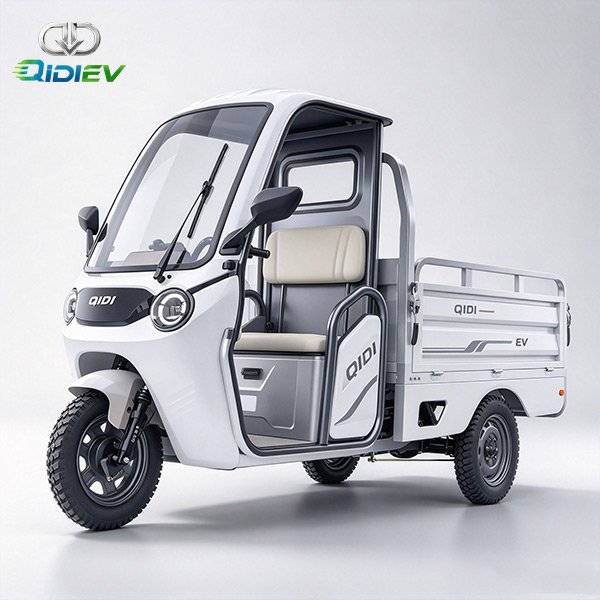
These are not just pavement shuttles. In addition, L7e utility versions handle mixed surfaces when spec’d with the right tires, suspension, and payload layout.
City centres and pedestrian-heavy zones
L6e keeps speed low and footprint small. Good for tourism streets, university campuses, and hotel transfers.
Resorts, campsites, islands
Quiet, zero exhaust, easy recharge overnight. Therefore, guest shuttles and staff runs stay clean and calm.
Farm tracks and rural access
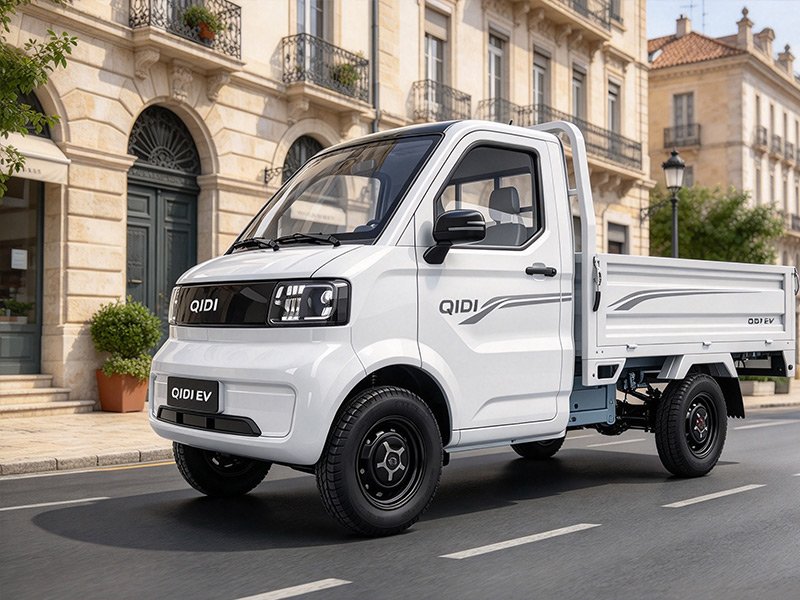
L7e cargo versions manage gravel, grass verges, and yard movement for tools, feed, and small loads.
Last-mile delivery
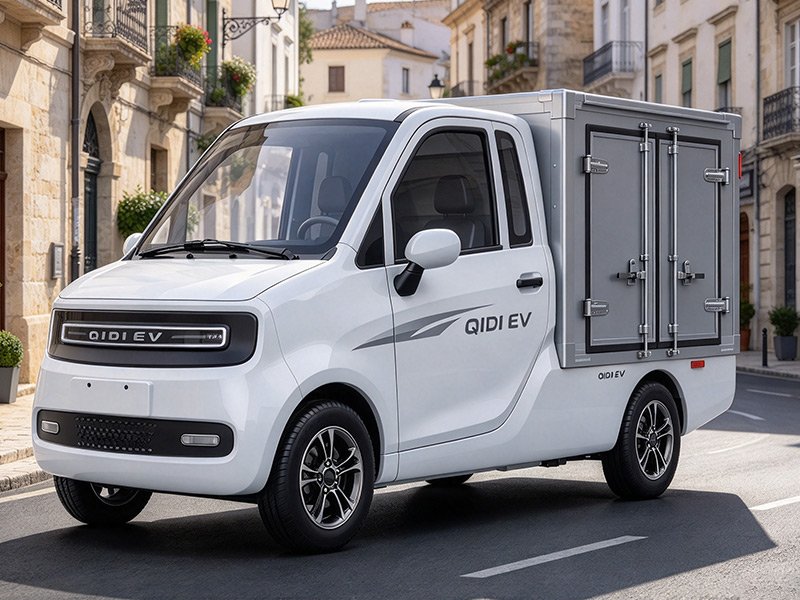
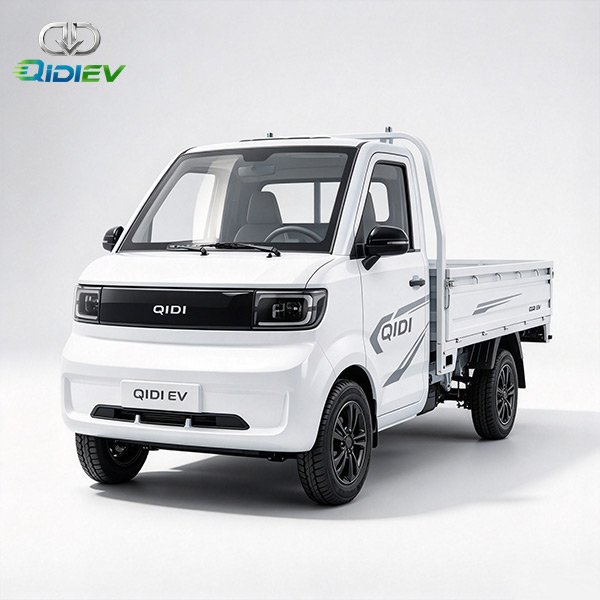
Narrow vans struggle in old towns. A quadricycle with a cargo box reaches the door and parks in half a space.
Registration and license plates: what importers must check
A low-speed EV is not automatically registered just because it is electric. However, a proper compliance package makes local registration far smoother.
EEC / WVTA type-approval
EU Regulation 168/2013 governs L-category type-approval. Type-approval shows the model meets construction, safety, and environmental requirements for its L-category.
COC — Certificate of Conformity
The COC links the specific vehicle, VIN, and certified parameters. Many registration offices ask for it. Without a valid COC, registration can be refused.
VIN and parameter match
VIN on the chassis, nameplate, and COC must match. Motor power, battery, dimensions, and tyres on the document must match the delivered unit.
Local road-use rules still apply
License class, insurance, plate type, and allowed roads differ by country and sometimes by municipality. Therefore, confirm the target registration country before import.
Practical note: Irish guidance says new L6e/L7e quadricycles should only be registered if they have a Certificate of Conformity. Other EU countries apply their own registration checks.
Composite technical indicators
Below are the regulatory boundaries plus an example configuration. Because each model is different, confirm the COC sheet for the exact unit.
Regulatory boundaries
- L6e max speed
- ≤ 45 km/h
- L6e power
- ≤ 4–6 kW by subclass
- L6e mass
- ≤ 425 kg
- L7e power
- ≤ 15 kW
- L7e mass
- ≤ 450 kg / 600 kg goods
- Seats L6e
- Max 2
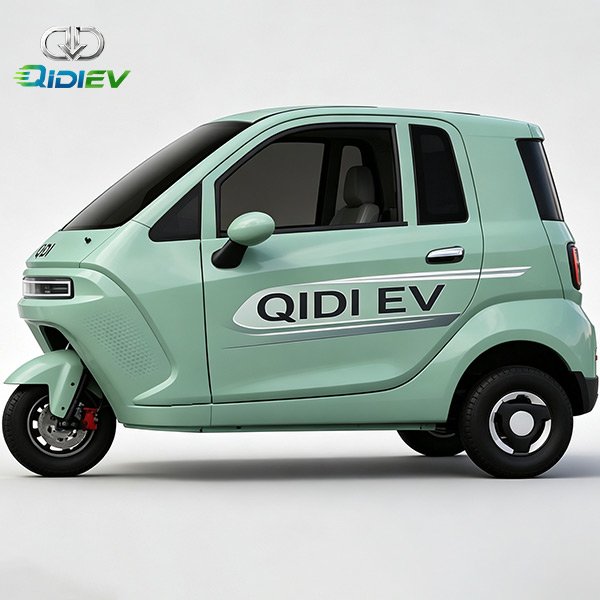
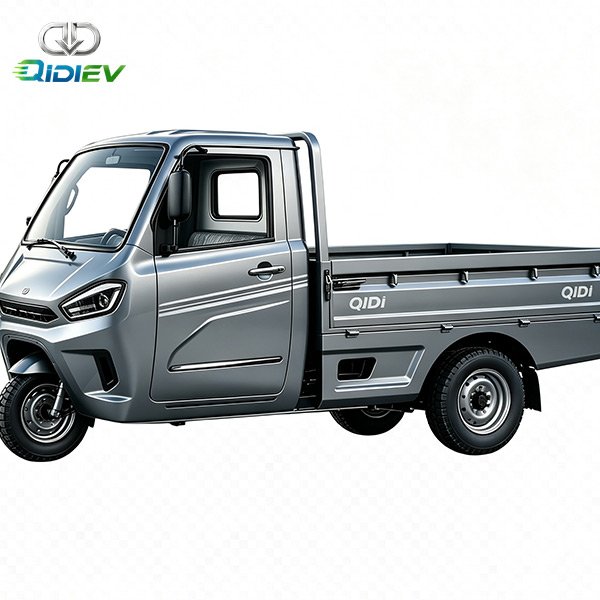
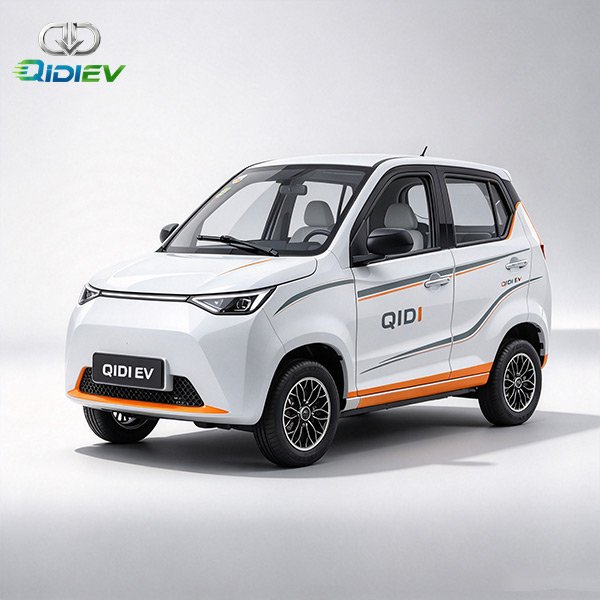
Example enclosed L7e unit
Example values are placeholders for an enclosed L7e-CP quadricycle. Replace with the exact model COC data.